Sports Field and Athletic Turf Installation in Los Angeles
Athletic turf is a complete performance system. We plan the base, drainage, pad, turf, infill, markings and maintenance around the sport, athletes and facility.
Sports turf designed as an integrated base, drainage, pad, turf, infill, marking and maintenance system.
Top Rated Turf Company
Great Rates
High Quality Work Guaranteed
Premium Turf
Free Estimate
Sports Field and Athletic Turf Installation in Los Angeles
Athletic turf is a complete performance system. We plan the base, drainage, pad, turf, infill, markings and maintenance around the sport, athletes and facility.
Sports turf designed as an integrated base, drainage, pad, turf, infill, marking and maintenance system.
Top Rated Turf Company
Great Rates
High Quality Work Guaranteed
Premium Turf
Free Estimate
Sports Field and Athletic Turf Installation in Los Angeles
Athletic turf is a complete performance system. We plan the base, drainage, pad, turf, infill, markings and maintenance around the sport, athletes and facility.
Sports turf designed as an integrated base, drainage, pad, turf, infill, marking and maintenance system.
Top Rated Turf Company
Great Rates
High Quality Work Guaranteed
Premium Turf
Free Estimate
Athletic Turf Performance Begins Below the Fibers


Performance begins below the fibers
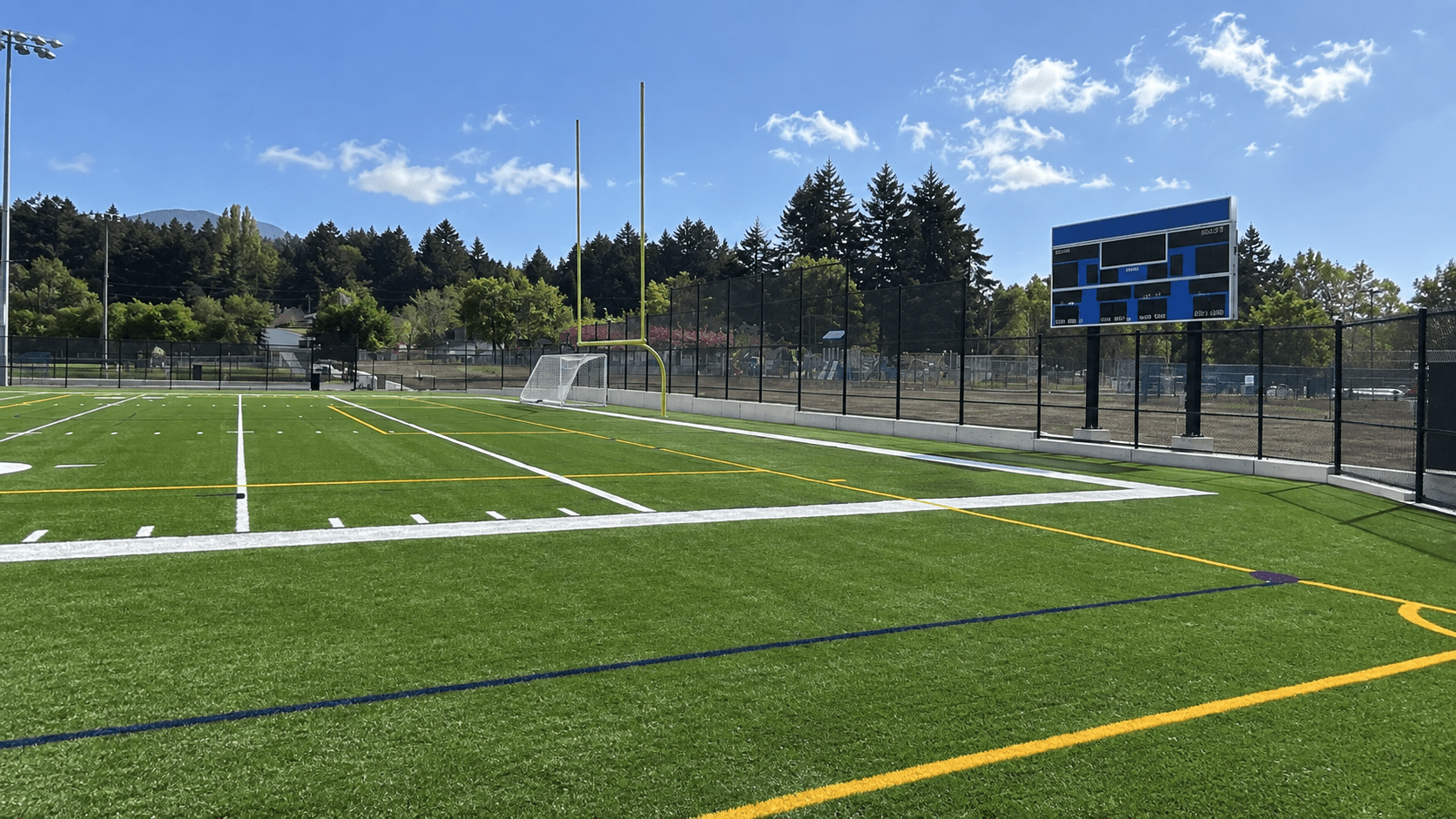
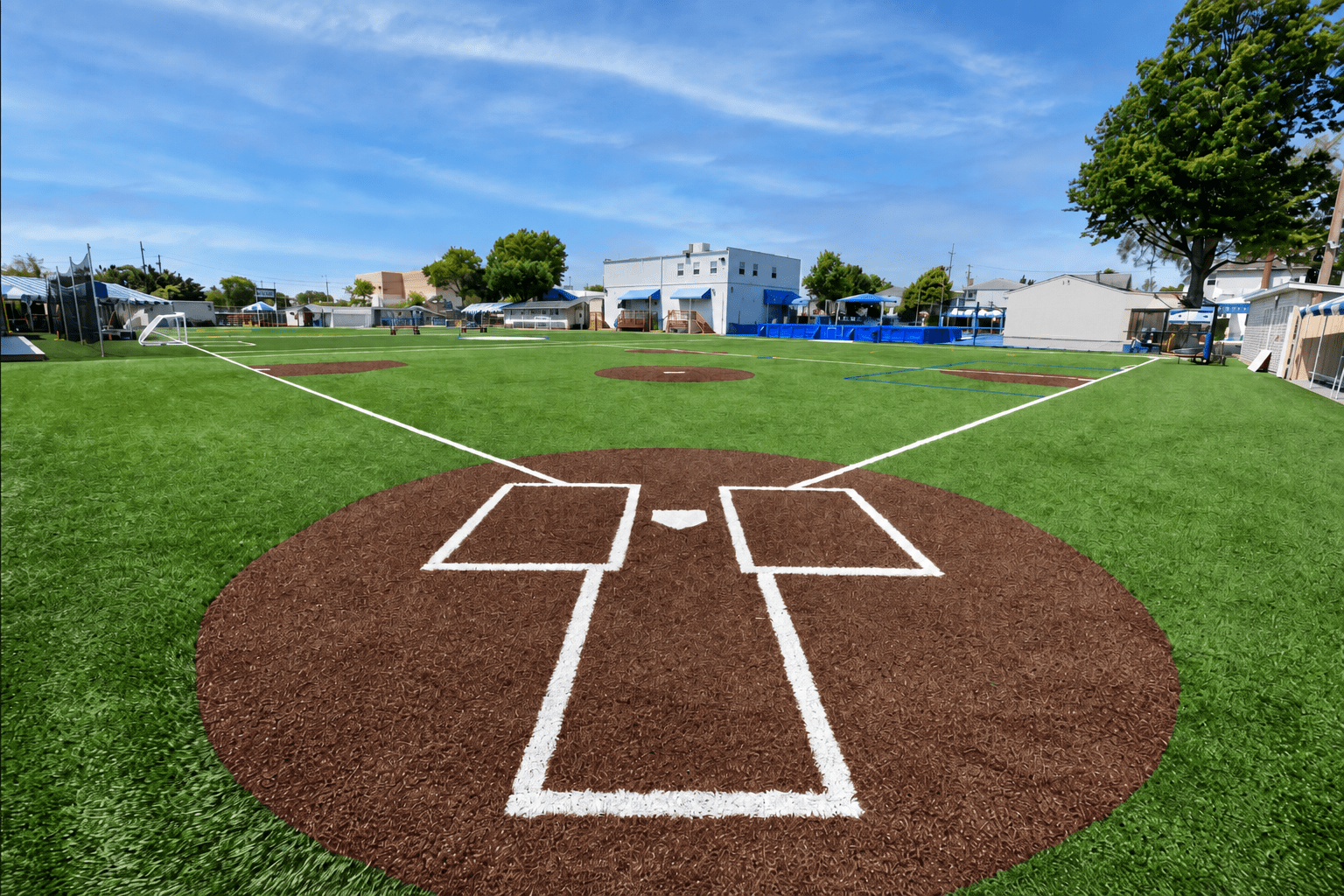
A professional athletic surface is not selected from a turf sample alone. The player interacts with the combined response of the fiber, backing, infill, shock pad, base and drainage system. Major sports-surface companies—including FieldTurf, Sprinturf, AstroTurf, Shaw Sports Turf and Act Global—describe sports turf as an integrated system because changing one layer can change traction, impact response, ball behavior, drainage and long-term consistency. US Family Turf brings that same system-level thinking to school, club, community and private athletic projects in Los Angeles.
Every field starts with its users
We begin by defining the primary and secondary sports, athlete ages, competition level, footwear, expected hours of use, striping needs, events, maintenance resources and budget. A football field has different impact and traction priorities from a soccer training field. Baseball and softball require sport-specific ball response, transitions and layouts. A multi-use school field needs a balanced specification rather than a surface optimized for one activity. Indoor training areas introduce another set of requirements, including concrete preparation, adhesives, equipment loads and transitions to rubber flooring.
Base construction and drainage
The base establishes grades, stability and water movement. Outdoor fields may use a designed aggregate base and drainage network; some projects are installed over existing asphalt or concrete when the condition, elevations and intended use support that approach. Permeable turf does not solve a poor drainage pathway by itself. Water must pass through or away from the turf system and reach a functioning outlet. We assess slopes, low points, perimeter conditions and surrounding hardscape before the installation detail is finalized.
Shock pads: impact control with stable footing
An engineered shock pad can help manage impact attenuation and make performance less dependent on infill alone. FieldTurf describes pad options designed for impact protection, energy absorption, dimensional stability and vertical or horizontal drainage. Brock offers interlocking expanded-polypropylene systems, while Schmitz ProPlay uses cross-linked polyethylene foam and can combine shock absorption with drainage. Shaw’s NXTPlay literature discusses HIC, G-max, rotational traction, force reduction, energy rebound and drainage. These examples reinforce a central point: the pad is chosen as part of the entire turf assembly, not as a stand-alone promise.
How much padding does a sports field need?
There is no responsible universal answer. Pad material and thickness depend on the selected turf and infill, the sport, target performance, substrate, drainage design, governing-body or owner specification, test data and expected lifecycle. Too little attenuation can create a hard surface; too much deformation can affect stability, fatigue and ball behavior. We review the project requirements and available system data, then coordinate an assembly intended to balance impact attenuation with firm, predictable footing. When a project requires formal certification, laboratory testing or field testing, that requirement must be incorporated into the scope and completed by the appropriate qualified party.
The measurements serious buyers ask about
G-max indicates the peak deceleration measured during a standardized impact and is commonly used to describe surface hardness. HIC evaluates the impact acceleration curve over time and provides additional information related to head-impact severity. Force reduction compares the amount of impact absorbed by the surface with a rigid reference. Vertical deformation describes how far the system compresses under load and relates to stability and feel. Energy restitution describes how much energy the surface returns. Rotational resistance examines the balance between traction and cleat release during cutting and pivoting. ASTM currently lists standards addressing field impact attenuation, system characterization, force reduction, vertical deformation, energy restitution, permeability, abrasion and material properties. The applicable requirements depend on the project and should be confirmed with the owner, designer, manufacturer and governing organization.
Why one passing number is not enough
A field can feel different from one zone to another and can change over time. Goal mouths, midfield, sidelines and heavily used drill areas may compact or lose infill at different rates. That is why surface consistency and maintenance matter as much as an installation-day claim. FieldTurf notes that infill compaction or low infill levels can contribute to a harder surface and recommends hardness testing when conditions appear abnormal. A serious field plan considers inspection, grooming, decompaction, infill measurement and future testing from the beginning.
Sport-specific design
Football and contact-sport areas may place greater emphasis on impact attenuation, traction and consistent release. Soccer prioritizes predictable ball roll and bounce together with controlled traction and year-round drainage. Baseball and softball may require distinct turf zones, accurate lines, base paths, batter’s areas, warning-track treatments and predictable ball-to-surface response. Multi-sport fields must balance competing needs and organize overlapping lines so the field remains readable. We can install custom line colors, numbers, training marks and logos where compatible with the selected turf system.
Installation and quality control
Once the design is approved, the site is prepared to the specified elevations and tolerances. Base and drainage components are installed or corrected as included in the scope. Pads are fitted with stable joints and required transitions. Turf rolls are laid in the planned orientation, trimmed, seamed and secured; lines and graphics are positioned accurately; infill is installed in controlled lifts and groomed into the fibers. The surface is inspected for seams, edges, transitions, infill consistency and finish. Any specified independent testing or owner acceptance process is completed according to the contract.
Lifecycle performance
Synthetic turf reduces mowing, irrigation and recovery time, but athletic turf is not maintenance-free. A field should have a written maintenance plan based on its product, infill and usage. Common tasks include debris removal, brushing, infill redistribution, decompaction, seam and edge inspection, disinfecting when appropriate, and periodic measurement or testing. Maintenance preserves fiber support, consistent footing, drainage and appearance and helps identify small concerns before they become larger repairs.
Experience presented with evidence
US Family Turf has completed school, soccer, recreation and multi-use athletic installations across Los Angeles. The finished webpage should show named projects only after official names and permission are confirmed. Each case study should explain the facility, use, system components, site challenge and completed outcome. This allows athletic directors, school leaders, architects and facility owners to evaluate relevant experience rather than relying on unsupported superlatives.
Build the right field for your program
If you are planning a football, soccer, baseball, softball, PE or multi-sport turf project, US Family Turf can help define the site conditions, intended performance and complete installation scope. Schedule a site assessment to discuss the athletes, sports, substrate, drainage, padding, infill, markings, maintenance and testing needs for your facility.
Our Services
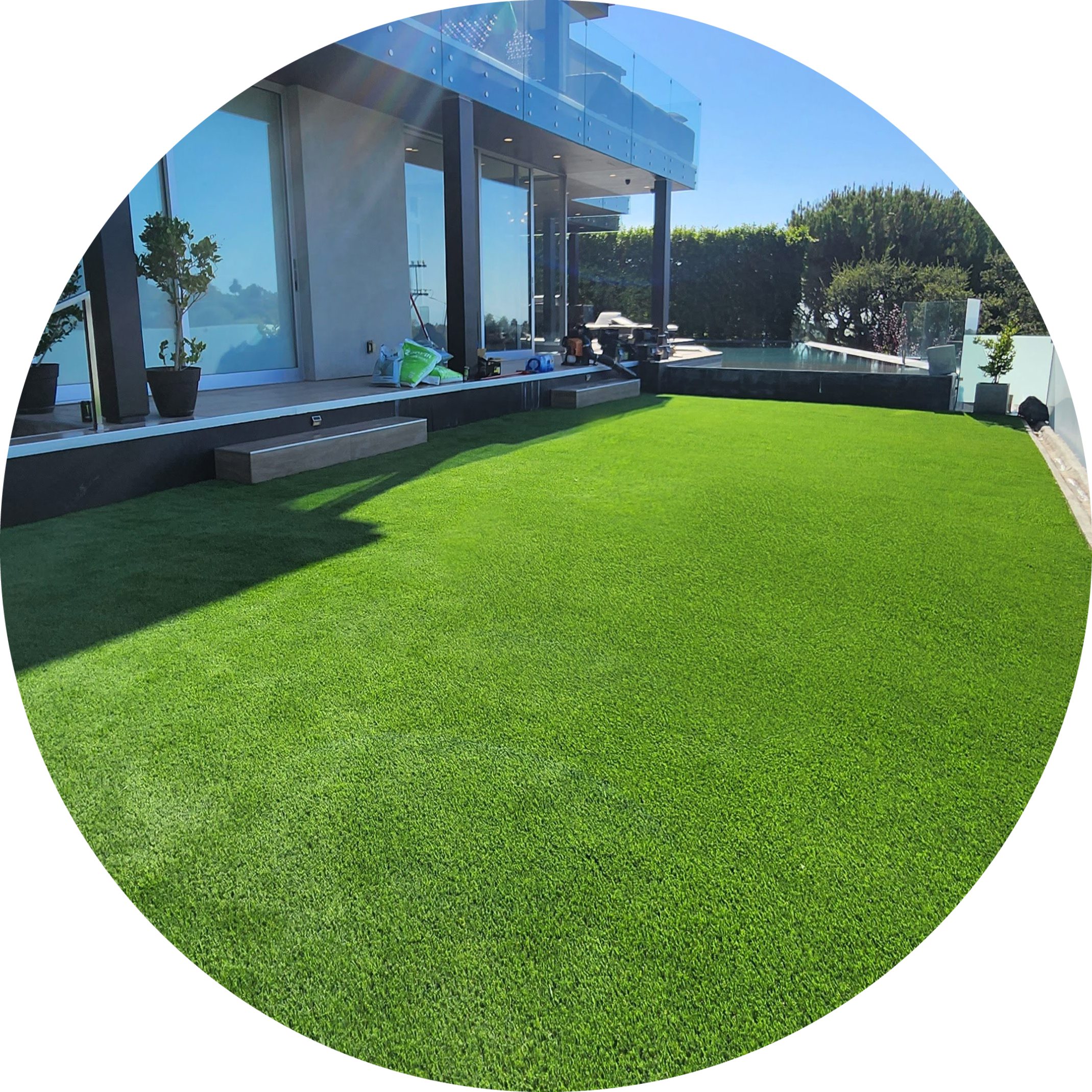
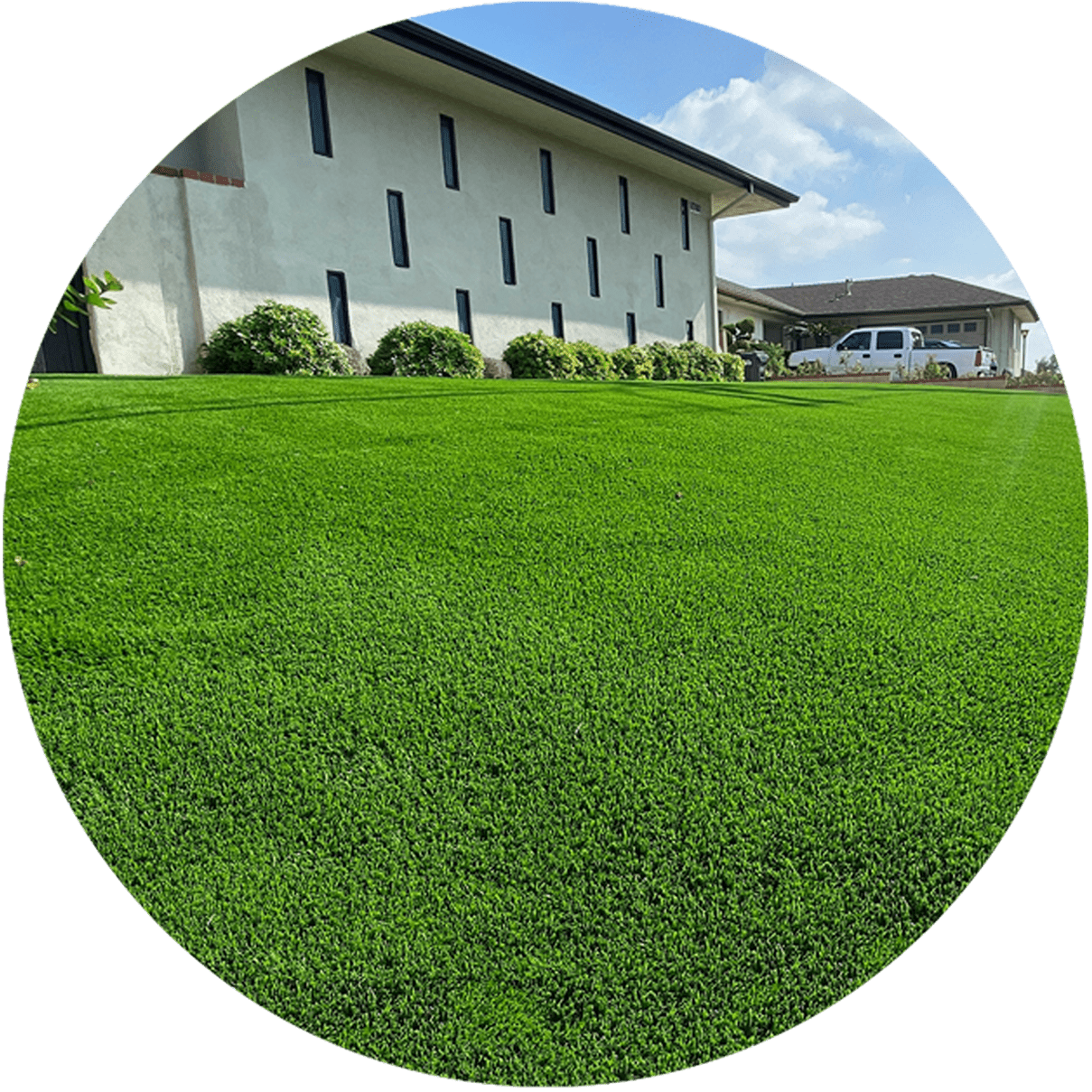
The Turf is so real, you can’t tell its’s fake!
Why choose us?
Simple. Your family deserves the best.

Superior Turf

Quality Control Checks

Experienced Crews

Warranty
Our Simple Process
Our process starts with a site assessment and a clear discussion of how the space will be used. From there, we define the system requirements, prepare the site, and complete the installation with attention to drainage, transitions, finish details and long-term performance.


Verified Reviews
We put our customers and their families first in every step of the stage.